







Search Results for: vigilante justice

Handwritten warning against meal theft at a Mixue Bingcheng store sparks debate: threat to tie offenders to a pedestrian bridge for public shaming; lawyer says vigilante punishment is illegal
Recently, a Mixue Bingcheng store in Guangzhou made trending searches after posting a handwritten warning about meal theft, stating that thieves would be tied to an overpass for eight hours, have ten buckets of milk tea poured on their heads, and have their videos exposed. The store responded that it was just a scare tactic and had never actually been carried out. The incident sparked heated discussions among netizens, with some sympathizing with the merchant's helplessness, while others pointed out that taking the law into one's own hands is suspected of being illegal. Suzhou police then spoke out, emphasizing that illegal detention is unacceptable and that one should call the police immediately. This controversy reflects the real dilemma of frequent meal theft in the milk tea industry and high loss prevention costs, and also prompts people to think about the balance between merchants defending their rights and the boundaries of the law. [more…]

A Coffee Shop Owner's Fight for Justice: Bought a La Marzocco PB from an Acquaintance Only to Find It Was Grey-Market, and After the Boiler Burst, the Official Records Showed No Such Machine
A coffee shop operator in Guangxi recently publicly recounted his experience: he purchased a La Marzocco PB espresso machine from a well-acquainted "coffee champion," and after only one year of use, the boiler exploded. When he applied to La Marzocco China's official after-sales service, he was told that the machine had no record in the system and was a "grey import" sold through unofficial channels. The shop owner believes the other party deliberately concealed the sales channel, and has sent a lawyer's letter and reported the matter to the police. This dispute quickly fermented within the coffee community and also drew practitioners' attention to how to distinguish genuine La Marzocco espresso machines from grey imports. Front Street Coffee reminds all colleagues that when purchasing equipment, one must make sure to buy through officially authorized channels, and not risk a big loss for a small gain. [more…]
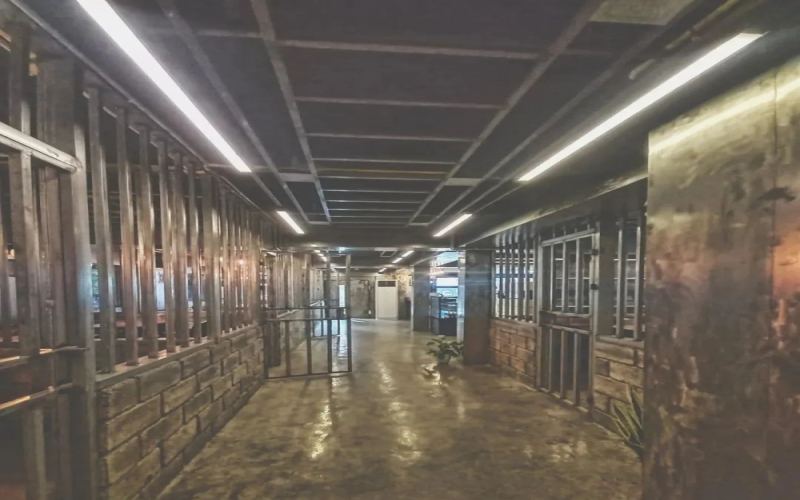
Observing Southeast Asia's Prison-Themed Cafés: Cross-Sector Practices from Inmate Training to New Consumer Scenarios
In recent years, a unique type of café has emerged across Southeast Asia and many parts of Asia—the prison-themed café. Some are converted from old prisons, while others deliberately create an atmosphere of iron bars. Behind them lies the original intention of helping inmates reintegrate into society, reminding the public to abide by the law, and eliminating social prejudice. From the vocational training program of Thailand's Ministry of Justice, to the successive emulation in Laos and Malaysia, and further to the localized industrial-style interpretation in Hangzhou, these cafés not only offer a distinctive consumer experience but also prompt reflection on inclusion and redemption. Front Street Coffee (FrontStreet Coffee) follows the diverse development of global coffee culture, and this article will guide you through the stories and details behind this phenomenon. [more…]
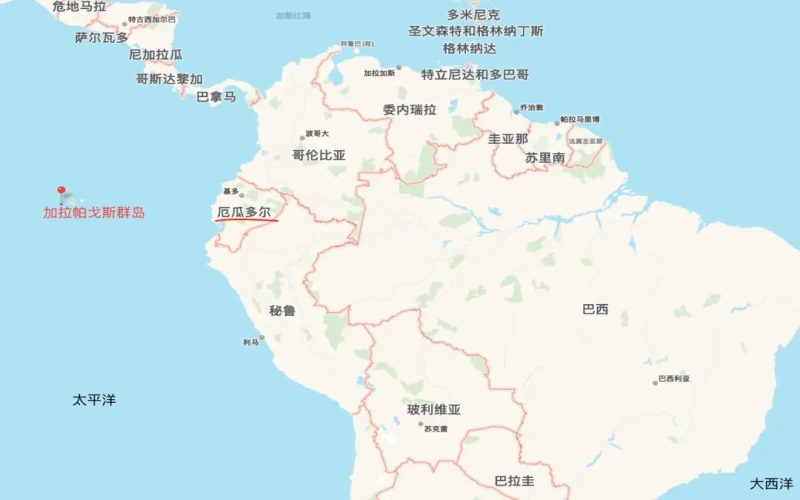
Ecuador Coffee Overview: An Analysis of Producing Regions, Cultivated Varieties, and Processing Methods in the Andes
On the South American coffee belt, besides well-known producing countries like Brazil and Colombia, Ecuador also produces surprisingly good coffee. This country, bisected by the equator, nurtures Arabica beans with a balanced profile of acidity, sweetness, and bitterness thanks to the high-altitude volcanic soils and diverse microclimates of the Andes. From the northern highlands to Loja Province in the south, from Pichincha's Sidra to the organic Bourbon of the Galápagos Islands, Ecuadorian coffee is steadily moving toward specialty status. This article will guide you through the distribution of the country's coffee-growing regions, the main cultivated varieties, and the evolution of processing from traditional natural to modern washed methods, along with Front Street Coffee's recommended perspective. [more…]

Birr exchange rate falls for three consecutive days to 83.94, Ethiopia's foreign exchange reform triggers a chain reaction in prices and coffee exports
Since Ethiopia implemented a new foreign exchange policy on July 31, the birr has fallen three times in a row against the US dollar within just a few days, dropping to 83.94 birr per US dollar on August 2, sharply increasing the pressure on local people's livelihoods. The Addis Ababa City Trade Bureau promptly sanctioned 387 businesses suspected of price gouging, while opposition parties criticized the timing of the reform as inappropriate. At the same time, exports of agricultural products such as coffee have gained competitiveness in the short term due to currency depreciation, but climate disasters, the Red Sea shipping crisis, and domestic conflict cast a shadow over the long-term outlook. This article will sort out the deeper impact of exchange rate fluctuations on Ethiopia's economy, prices, and coffee industry, and also look at how brands such as Front Street Coffee are responding amid changes in the place of origin. [more…]

What exactly are the standards for specialty coffee? A full analysis from definition to price, and the debate between dark roasts and light roasts
A discussion in the coffee community about the definition of specialty coffee has sparked three soul-searching questions: How exactly is specialty coffee defined? Must drinks made from specialty beans be sold at high prices? Can specialty beans not be dark-roasted? Some people value single-origin traceability and SCA scores, some care about roasting freshness and flavor complexity, and others firmly believe that price equals justice. But the essence of specialty coffee is not "refined and expensive," but a continuous quality improvement from cultivation, processing, roasting, and brewing to service. Dark roasting is not a cover-up for defects, and light roasting is not a guarantee of specialty quality. If good beans lack reasonable brewing and professional service, they are equally disqualified from being specialty coffee. [more…]
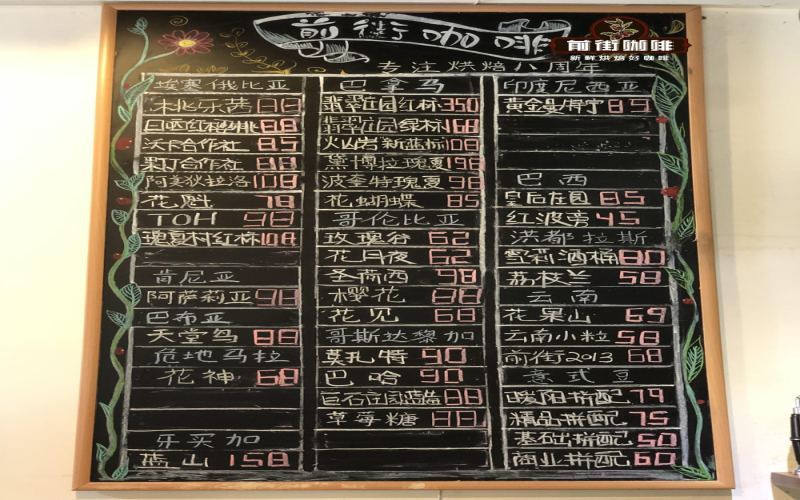
Exploring Geisha Coffee: From Origin Tracing to Hacienda La Esmeralda Natural Processing and Pour-Over Flavor Analysis
Geisha coffee, with its layered floral and fruity aromas, has long been a benchmark variety in the specialty coffee world. Many enthusiasts, after getting their hands on Geisha beans, often worry that improper brewing will fail to do justice to its flavors. This article, from the perspective of Front Street, first guides you through the origins and main producing regions of Geisha coffee, then takes a deeper look at the plot divisions and grading system of Panama's Hacienda La Esmeralda, analyzing how the refined natural process shapes its distinctive fruit aromas. Finally, it shares the pour-over parameters and three-stage extraction steps used at Front Street's shop for the Esmeralda Red Label Natural Geisha, helping you more fully bring out Geisha's jasmine, citrus, and tropical fruit notes. [more…]
Panama Geisha Coffee Brewing Guide: Detailed Steps and Flavor Analysis for Pour-Over and French Press
Geisha coffee is hailed as the new king of coffee, expensive yet irresistible. If you're lucky enough to get your hands on a bag of Geisha beans, how should you brew them to do justice to their price? This article starts from the light-roast characteristics of Front Street Panama Geisha and shares in detail two brewing methods: pour-over and French press. The pour-over uses a V60 dripper, 91°C water temperature, and a 1:16 coffee-to-water ratio, bringing out white floral and citrus notes through staged pouring; the French press simplifies the process with the immersion principle, using a coarser grind and a 4-minute wait to deliver a full-bodied cup with rich berry sweetness. At the same time, the article provides an in-depth analysis of Panama Geisha's terroir advantages, the discovery history of Hacienda La Esmeralda, and the strict standards and slow sun-drying process of Red Label Geisha, guiding you to a comprehensive understanding of this top-tier coffee's unique charm. [more…]

Starting with BOP award-winning estates, learn to taste a bean with a pedigree
In the world of specialty coffee, Panama's BOP green bean competition carries a lot of weight. Every year when the rankings are announced, coffee lovers set their sights on the beans from the winning estates. These estate beans are prized for the terroir and craftsmanship behind them, and once you've bought them, there's actually a set of steps you can follow to taste and brew them in a way that does justice to what's in the cup. [more…]
How to Choose Medium-Roast Coffee Beans for Pour-Over: The Art of Balancing Body, Sweetness, and Aroma
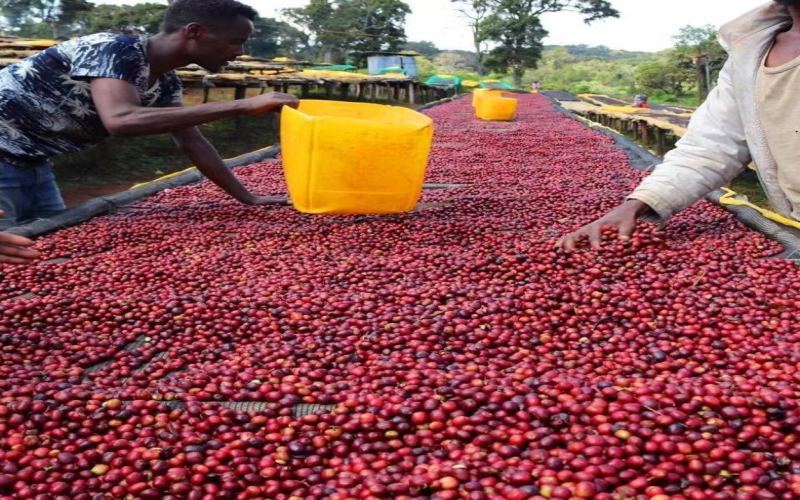
Choosing beans is more practical when you start from the scenario: a morning black coffee to wake up, a milk coffee with breakfast, the leisure of pour-over, or the convenience of a machine—each calls for its own roast level, flavor intensity, and brewing method. There are quite a few variables in pour-over flavor: origin, variety, processing method, roast level, plus water temperature, grind size, and pouring rhythm. [more…]
Yunnan Four Cats Coffee Authenticity Analysis: Shuhe Store Features, Arabica Quality, and Consumer Reviews Summary
In recent years, Yunnan's coffee industry has continued to heat up, with all kinds of local brands emerging one after another, and Four Cats Coffee is one of the more talked-about ones. Rooted in Shuhe Ancient Town and focused on Yunnan arabica coffee, it has formed a complete chain from cultivation to direct store sales. But there are also many questions surrounding this brand: How good is Four Cats Coffee really? Is it genuine? Is Four Cats Blue Mountain coffee counterfeit? Starting from the store's features, product positioning, and the real feedback of multiple consumers, this article will sort out the ins and outs of this coffee shop to help coffee lovers make their own judgment. [more…]
CHAGEE's lottery mechanism questioned: user wins four times in one month, fairness under scrutiny
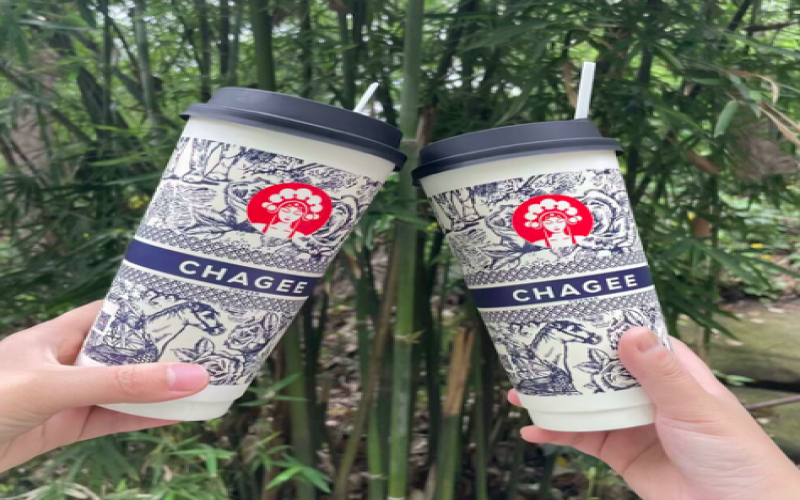
Recently, netizens discovered that in a lucky draw event run by the official Chongqing account of Chagee, the same user won four times within a single month, sparking widespread skepticism. Because the account's lucky draw did not use the platform's built-in system tool but was instead manually selected by operations staff, many netizens suspected "black box manipulation" in the event. Although the questioned winner came forward to clarify that they simply participated frequently and had good luck, the explanation only deepened public suspicion. As of press time, Chagee's official side has yet to make any response to the matter. [more…]

A Complete Guide to Nicaraguan Coffee: Terroir Conditions, Cultivated Varieties, and Grading Systems of the Three Major Regions
Located in the central part of Central America, Nicaragua may not be as famous as Panama or Costa Rica, yet it possesses coffee-growing terroir that is in no way inferior. The country's north-central highlands, eastern coastal plains, and western coastal lowlands form diverse microclimates, nurturing three core producing regions: Jinotega, Matagalpa, and Nueva Segovia, with Caturra and Bourbon as the main cultivated varieties. This article will systematically outline Nicaragua's geographical and climatic characteristics, the elevation and harvest details of each producing region, and introduce its coffee grading system, helping coffee enthusiasts gain a comprehensive understanding of the coffee landscape of this promising Central American origin country. [more…]
Ecuador's Armed Conflict Coupled with Diplomatic Crisis: Coffee and Tourism Industries Face Chain Reactions
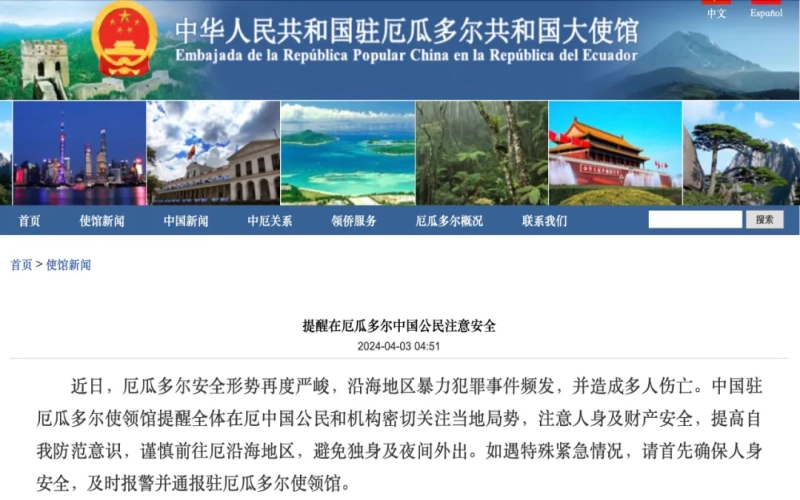
Recently, the Chinese Embassy in Ecuador issued a security alert, noting the frequent violent crimes in the country's coastal areas and advising Chinese citizens and institutions to heighten their vigilance. Behind this warning lies Ecuador's ongoing internal armed conflict and an embassy arrest incident that has sent shockwaves through Latin American diplomacy. As a country dependent on exports of oil, bananas, cocoa, and coffee as well as tourism, Ecuador is facing dual pressures from a deteriorating trade environment and declining willingness among tourists to visit. Although its coffee has gradually risen to prominence in international competitions, attracting many bean hunters to visit, the current situation is undoubtedly casting a shadow over the local coffee industry and tourism economy. [more…]

The same old story works every time? Over twenty coffee shops in Wuhan hit by an "allergy refund" scam
A female customer nicknamed "Allergy Sister" by netizens has been requesting refunds at multiple independent coffee shops in Wuhan, claiming that lactose intolerance triggered an allergic reaction. At first, shop owners agreed out of apology and concern, until some in the trade discovered that the medical certificates were questionable and the accounts were strikingly similar, realizing that this might be a patterned refund claim. So far, more than twenty shops have come forward to confirm refunds, and the number of victims may still be growing. The person involved has deleted her account and cannot be reached, and some shop owners are gathering evidence and considering legal action to defend their rights. [more…]

Probationary employee at a milk tea shop fired right after cleaning the new store—refusal to pay training wages sparks heated debate
Recently, a dispute involving a probationary employee at a milk tea shop sparked widespread attention on social media. The poster said they found a job at a milk tea shop through a recruitment platform, and during the trial period was assigned to clean a new store that had not yet opened. After finishing the cleaning, they were told not to come back, and the shop refused to pay the promised training-period wages. After the incident was exposed, many netizens spoke up for the worker and spontaneously left a large number of negative reviews for the shop on third-party platforms. Under public pressure, the shop eventually paid the training-period wages. This kind of phenomenon, in which probationary employees are used as free labor, is not uncommon across industries and deserves job seekers' vigilance. [more…]

Hong Kong Manner stores were forced to change their name to Maners, but netizens mistook it for a knockoff brand
Recently, a Hong Kong netizen spotted a coffee shop called "Maners" in a large local supermarket. Its logo, decor, and product posters closely resemble those of mainland Manner, and it even offers a 5-yuan discount for bringing your own cup, sparking suspicions of a knockoff. However, the truth is surprising—this store is actually Manner's legitimate outlet in Hong Kong. Because the "Manner" trademark has already been registered by another Hong Kong company, Manner was forced to adjust its name and launch as "Maners." The trademark application was rejected and failed on review. Although it can currently continue to be used, it is not legally protected and carries future infringement risks. This renaming saga not only led fans to mistakenly attack the real brand but also sounded a warning about trademark layout when brands go overseas. [more…]
A Complete Analysis of El Salvador's Coffee Regions: The Flavor Codes of the Pacas and Pacamara Varieties
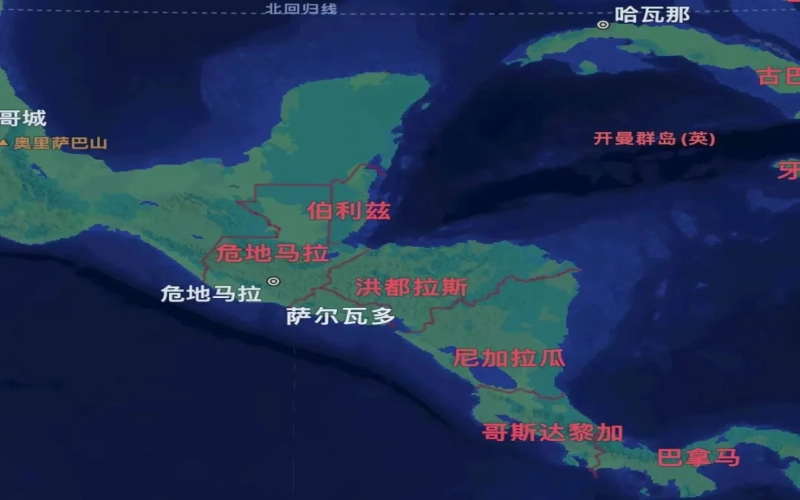
Although El Salvador is one of the smallest countries in Central America by land area and its coffee production is less than that of its neighbors, its volcanic soil, Pacific sea breezes, and high-altitude mountains give rise to specialty coffees with diverse flavors. This article will guide you through El Salvador's geographical and climatic conditions, the distribution of its main coffee-producing regions, and the origins and characteristics of two highly representative varieties—Pacas and Pacamara. Whether you are a coffee enthusiast just getting started or a seasoned connoisseur looking for your next bag of beans, you will gain practical knowledge about this producing region. [more…]

Luo Xiang Endorses Luckin Sauce-Flavor Latte Red Cup: Law Professor's Crossover Q&A on Drunk Driving Concerns Sparks Heated Discussion
On November 6th, Luckin Coffee launched an exclusive red cup for its sauce-flavored latte and invited Luo Xiang, a well-known law professor from Bilibili, to serve as its spokesperson, quickly sparking heated discussions online. Using classic cases like "outlaw Zhang San," Luo Xiang addressed consumers' concerns about driving safety after drinking coffee containing alcohol. This marks Luckin's first collaboration with an "internet celebrity" scholar, following previous spokespeople such as Tang Wei, Xiao Zhan, and Eileen Gu. However, after the endorsement news emerged, netizen reactions were polarized—some praised the keen insight, while others expressed dissatisfaction. This article will review the sequence of events, Luo Xiang's background, and reactions from all sides, and explore the considerations and challenges behind Luckin's marketing move. [more…]
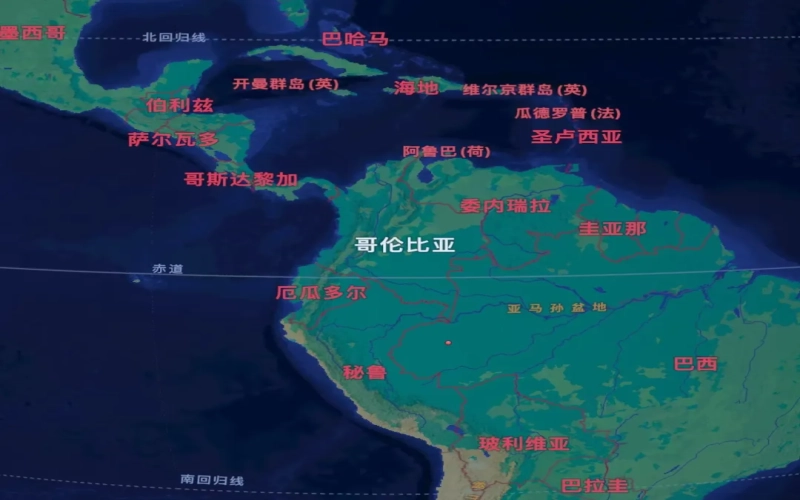
A Complete Guide to Colombian Coffee Regions: From Terroir to Huila Washed Entry-Level Bean Recommendations
Colombia, as the world's third-largest coffee-producing country, nurtures specialty coffees with diverse flavors thanks to the varied terrain and microclimates of the Andes Mountains. This article begins with geography, climate, and the meaning of the national flag, then systematically introduces five major producing regions—Antioquia, Santander, Nariño, Cauca, and Huila—and highlights Front Street Coffee's Huila washed entry-level bean: under a medium roast, it presents dark chocolate, nuts, caramel, and soft fruit acidity, making it suitable for pour-over enthusiasts to enjoy as an everyday cup. [more…]